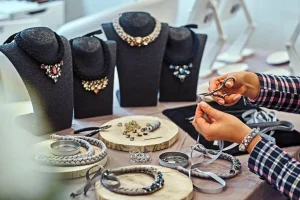
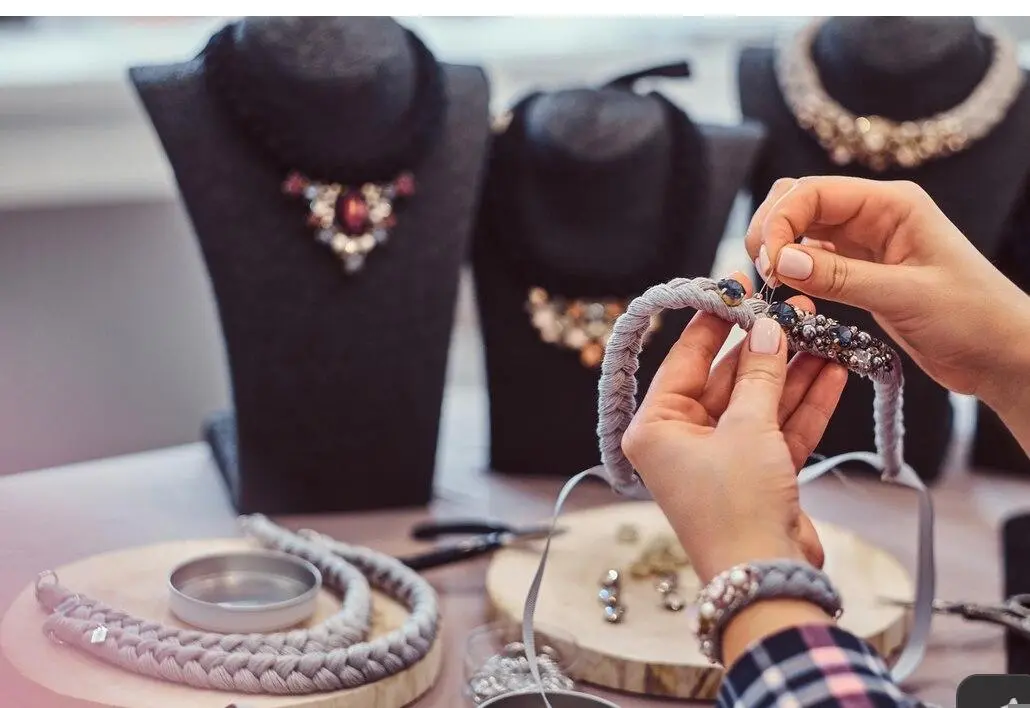
Handcrafted accessories carry a charm that mass-produced pieces cannot easily match. From carefully shaped metalwork to colorful beads and detailed stone settings, each piece can reflect the maker’s skill, creativity, and attention to detail.
However, an attractive design does not always guarantee good quality. Buyers need to look beyond appearance to understand the materials, construction, durability, and value of a handmade piece. Let’s discuss some tips that can help you evaluate unique handmade jewelry. Read on.
Examine the Craftsmanship and Attention to Detail
Craftsmanship is one of the best indicators of quality in unique handmade jewelry. Unlike factory-made products that follow standardized production methods, handcrafted items often involve several steps performed by an individual artisan or a small team.
These steps may include cutting, shaping, polishing, soldering, weaving, and assembling different materials. The quality of these processes affects both the appearance and performance of the finished piece.
A well-made necklace should have secure connections, balanced proportions, and a finish that feels comfortable against the skin. A bracelet should hold its shape, while a ring should have smooth edges that do not scratch or irritate the wearer.
Check the Materials and Their Quality
The materials used to create an accessory influence its appearance, lifespan, maintenance needs, and price. A beautiful design may lose its appeal if the materials fade quickly or cause skin irritation. Before making a purchase, find out exactly what the artisan used and whether those materials suit your needs.
Handcrafted accessories can include sterling silver, gold, copper, brass, stainless steel, natural stones, glass beads, wood, leather, ceramics, and fabric. Each material offers different benefits.
Sterling silver provides a classic appearance, while stainless steel often suits buyers who want a durable option with relatively simple care requirements. Natural stones add texture and color, while glass and ceramic elements allow artisans to create distinctive patterns.
Assess Durability and Everyday Wearability
A jewelry should do more than look attractive in a display case. It should also perform well under the conditions in which you plan to wear it. A delicate pendant may work beautifully for special occasions, while a sturdy bracelet may better suit everyday use.
Durability depends on several factors, including material strength, construction methods, component quality, and design. Even premium materials can fail if the artisan uses weak connections or an unsuitable fastening system.
Pay close attention to clasps, hooks, hinges, jump rings, and other parts that experience repeated movement. These components often face more stress than decorative sections.
Evaluate Design, Originality, and Artistic Value
One of the main attractions of handcrafted accessories is their artistic character. Artisans may draw inspiration from nature, architecture, cultural traditions, personal experiences, or modern design trends. Their creative choices can turn simple materials into distinctive pieces.
However, originality does not always mean that a design must look unusual. A simple silver pendant can demonstrate strong artistic skill through its proportions, texture, finish, and shape. Likewise, a colorful beaded bracelet can stand out because of its balanced colors and thoughtful arrangement.