
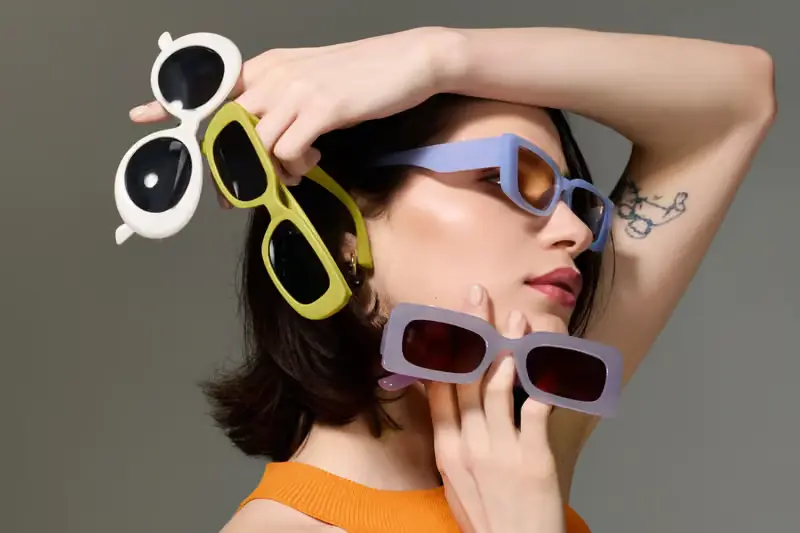
Oversized frames have become a recognizable part of modern optical and sunglass fashion. Their larger proportions create a strong visual presence, while their shapes, materials, and finishes offer different ways to express personal style. Some designs feature thick acetate fronts and dramatic geometric outlines. Others use lightweight metal construction, transparent finishes, or softly curved silhouettes. These details determine how oversized eyewear looks and performs. They also influence comfort, durability, and suitability for prescription lenses. Understanding the design features of oversized frames helps consumers look beyond size and recognize what makes a pair distinctive. It also helps them choose eyewear that combines fashion appeal with practical value.
Exaggerated Dimensions and Their Visual Impact
The most obvious feature of oversized eyewear is its scale. Larger lenses, wider fronts, and more prominent temples distinguish these designs from conventional frames. However, oversized construction is not simply about making every dimension bigger. Designers use proportions carefully to create a deliberate visual effect.
Lens width influences how much of the face the frame covers. Wider designs can create a bold horizontal line across the upper face. Taller lenses add vertical presence and draw attention toward the eyes and cheeks. Thick temples can make the frame look more substantial, while slimmer arms balance a large front with a lighter appearance.
The relationship between these dimensions is important. A frame with wide lenses and a narrow bridge may look different from one with a broad bridge and shorter lens height. Even small adjustments can change the overall silhouette.
Well-designed oversized frames maintain intentional proportions. They should look distinctive without appearing incorrectly sized. Frames that extend excessively beyond the temples or slide down the nose may create an unbalanced appearance. The best designs combine visual exaggeration with a structure that remains wearable.
Distinctive Silhouettes Shaping Modern Frame Design
Silhouette is one of the strongest elements in oversized eyewear. It determines the first impression of a frame and influences how it interacts with facial features. Modern collections include angular, rounded, geometric, and vintage-inspired shapes.
Geometric Forms and Structured Outlines
Square and rectangular frames are popular choices for people who prefer defined lines. Their straight edges and clear corners create a structured appearance. Oversized versions make this effect more noticeable. They can look contemporary, professional, or bold depending on the material and finish.
Hexagonal and other geometric shapes offer a more experimental direction. Their unusual outlines add visual interest without relying only on thick rims or bright colors. These designs can appeal to consumers who want eyewear that feels distinctive but controlled.
Angular frames also work well with modern fashion styles. They can complement structured jackets, tailored clothing, and minimalist outfits. Their clean lines provide contrast against softer fabrics and relaxed silhouettes.
Curved Profiles and Retro-Inspired Shapes
Round and oval frames create a softer visual effect. Oversized versions often draw inspiration from vintage eyewear, particularly designs associated with earlier fashion decades. Their larger lenses can make a classic shape feel more expressive.
Butterfly frames widen toward the upper outer corners. This creates a lifted appearance that can add drama to sunglasses and optical eyewear. Oversized cat-eye designs use a similar upward direction but often feature sharper outer edges.
Retro-inspired shapes remain relevant because they can be updated through modern materials, color combinations, and construction methods. A rounded acetate frame, for example, may retain a vintage character while using a lighter structure. These designs show how familiar silhouettes can evolve without losing their identity.
Frame Fronts, Rim Thickness, and Structural Details
The front of a frame defines much of its visual character. Thick rims create a bold outline around the lenses. They make the eyewear more noticeable and can turn a simple frame into a statement accessory. Acetate is often used for this effect because it supports a range of colors, patterns, and sculpted profiles.
Thin rims create a different impression. Metal frames with narrow borders can preserve oversized proportions without adding excessive visual weight. This approach is useful for people who want larger lenses but prefer a more understated appearance.
Full-rim designs surround the entire lens and provide a defined outline. Semi-rimless frames use a partial border, creating a lighter effect. Rimless designs remove much of the visible structure, although they are less commonly associated with dramatic oversized styles.
Browline construction is another defining detail. A stronger upper section draws attention toward the eyebrows and creates a clear horizontal emphasis. Sculpted edges, layered fronts, and contrasting components can add depth to the design.
Hinges and temple connections also matter. Decorative metal hinges may contribute to the frame’s appearance, but they should remain functional and secure. A visually impressive front cannot compensate for weak construction. Good design considers the entire frame, including the parts that are less visible.
Material Innovation and Surface Finishes
Material choice affects the appearance, weight, durability, and flexibility of oversized eyewear. Since larger frames often contain more material, construction quality is especially important.
Acetate is widely used because it supports rich colors, layered patterns, and substantial shapes. It can create thick, sculptural fronts that make oversized designs visually distinctive. Transparent and translucent acetate also allow designers to create larger frames with a less heavy appearance.
Metal offers a more refined alternative. Stainless steel and similar materials can produce slim outlines and precise geometric shapes. Titanium is valued for its low weight, strength, and resistance to corrosion. It can be particularly useful when designers want larger dimensions without adding unnecessary weight.
Mixed-material construction combines the visual strength of one material with the practical advantages of another. An acetate front with metal temples, for example, can create contrast while reducing the amount of heavier material used in the frame.
Surface finish changes the final impression. Glossy frames reflect light and create a polished appearance. Matte finishes look more restrained and can suit minimalist styling. Textured surfaces add detail, while transparent finishes reduce visual density.
Consumers should consider material performance as well as appearance. A frame worn throughout the day needs comfortable weight distribution and durable connections. A fashion-focused pair used occasionally may allow more room for dramatic materials and decorative finishes.
Color Treatments, Patterns, and Visual Contrast
Color is an important part of modern oversized frame design. It can make a large silhouette appear more dramatic or more subtle. Black remains a classic choice because it creates strong definition and works with many clothing styles. Tortoiseshell offers a warmer effect through combinations of brown, amber, and darker shades.
Transparent frames have become a popular alternative to solid colors. Clear, pale gray, beige, and soft pink finishes allow the frame to maintain a large shape without creating a heavy outline. They can also work well with minimalist wardrobes.
Bright colors introduce a more expressive direction. Red, blue, green, and other vivid shades can turn eyewear into the focal point of an outfit. These designs are useful for consumers who treat accessories as a form of personal expression.
Patterns add complexity. Layered acetate can create depth through blended colors, while marbled and tortoiseshell effects produce variation across the frame. Metallic accents, contrasting temples, and colored hinges offer smaller details that can make a design distinctive.
The challenge is balancing color with versatility. A highly decorative frame may be attractive but difficult to coordinate with everyday clothing. Buyers should consider whether they want eyewear for regular use or a specific fashion purpose. Neutral finishes often provide greater flexibility, while bold colors can create a stronger individual statement.
Lens Design and Optical Functionality
Lens design is not only about appearance. It also determines how oversized eyewear performs in everyday conditions. Larger lenses provide more visible coverage, but their shape, tint, coatings, and optical positioning must suit the intended use.
Lens Shapes, Tints, and Surface Treatments
Sunglass lenses are available in several colors and finishes. Gray lenses generally maintain relatively natural color perception while reducing brightness. Brown and amber lenses can increase perceived contrast in certain environments. Mirrored coatings reflect some incoming light and create a distinctive exterior appearance.
Gradient lenses are darker in one area and lighter in another. This can be useful when wearers want different levels of shading across the lens. However, tint selection should reflect actual lighting conditions and activities.
Protective treatments also influence lens performance. Scratch-resistant coatings help protect the surface from minor damage. Anti-reflective treatments can reduce reflections from the back of the lens. UV protection is essential for sunglasses because lens darkness alone does not confirm that harmful ultraviolet rays are blocked. Consumers should look for clear indications of adequate UVA and UVB protection.
Prescription Compatibility and Visual Precision
Large frames can create additional considerations for prescription lenses. Depending on the prescription and frame dimensions, lenses may become thicker or heavier. High-index materials can help reduce thickness for some prescriptions, but suitability depends on individual optical requirements.
Lens positioning is equally important. The optical center must align correctly with the wearer’s eyes. Incorrect positioning can affect visual comfort, even when the frame looks attractive.
People with stronger prescriptions should seek professional advice before selecting an unusually large frame. An optician can assess whether the design supports the required lens thickness, shape, and positioning. This helps prevent a fashion-led purchase from becoming uncomfortable or impractical.
Comfort Engineering Hidden Within Bold Designs
Oversized eyewear must support the face properly. Larger fronts can create more weight, so designers need to consider how that weight is distributed. A frame that looks balanced in a display may feel uncomfortable after several hours of use if its bridge and temples are poorly designed.
Bridge construction influences how the glasses sit on the nose. Some frames use an integrated bridge, while others feature adjustable nose pads. Adjustable pads can be useful for achieving a more secure fit, especially with certain metal designs.
Temple shape and length also affect stability. The arms should follow the sides of the head without creating painful pressure. Hinges should move smoothly and hold the temples securely in position. Weak hinges can become loose over time and affect alignment.
Lightweight materials help, but they are not the only solution. A well-balanced frame distributes pressure more effectively than a poorly designed one, even when both have similar total weight.
Comfort should therefore be treated as a core design feature. Buyers should check whether the frame slides, presses against the cheeks, or interferes with natural movement. Professional adjustments can often improve fit, but the original frame dimensions must still be suitable.
Fashion Influences Behind Contemporary Oversized Eyewear
Modern oversized eyewear draws inspiration from several fashion movements. Retro designs have introduced rounded lenses, thick acetate, exaggerated cat-eye shapes, and vintage-inspired color combinations. Contemporary designers reinterpret these references through updated materials and proportions.
Luxury fashion has also influenced frame construction. Sculpted fronts, distinctive logos, decorative hinges, and unusual silhouettes help create recognizable designs. Streetwear has encouraged more experimental shapes and expressive colors. Minimalist fashion has taken a different direction, using transparent materials, slim metal frames, and simple geometric outlines.
Social media and celebrity styling can quickly increase interest in particular silhouettes. However, popularity does not guarantee that a design will suit every wearer. A frame that looks effective in a campaign may have different proportions on an individual face.
The most useful approach is to separate lasting design qualities from short-term trends. Comfortable dimensions, durable construction, and versatile colors are likely to remain practical longer than highly specific decorative details. Consumers can still experiment with current styles while choosing a basic shape that fits their personal preferences.
Evaluating Design Quality Before Choosing a Pair
A successful oversized frame should combine visual appeal with reliable construction. Start by checking symmetry. The front should sit evenly, and both lenses should appear aligned. The hinges should open and close smoothly without excessive looseness.
Inspect the material finish for uneven edges, rough surfaces, or visible manufacturing defects. Check whether the temples feel secure and whether the frame maintains its shape during normal handling. These details can reveal more about quality than a brand name or fashion label alone.
Fit should be evaluated in person whenever possible. The frame should not extend excessively beyond the face or press against the cheeks. It should remain stable when the wearer moves naturally. For prescription glasses, professional fitting and lens compatibility are especially important.
Buyers should also consider the purpose of the eyewear. Everyday optical frames need long-term comfort and reliable construction. Sunglasses require appropriate UV protection and a tint suitable for their intended environment. Fashion-focused designs may prioritize visual impact, but they should still meet basic standards of fit and durability.
A strategic purchase considers the full experience rather than one attractive feature. This helps consumers avoid frames that look impressive initially but become inconvenient with regular use.
Conclusion: Recognizing the Details Behind Modern Oversized Frames
Oversized eyewear is defined by more than large lenses. Its identity comes from exaggerated proportions, distinctive silhouettes, rim construction, material choices, color treatments, and carefully designed details. Lens technology and comfort engineering also determine whether a frame works beyond its appearance.
Understanding the design features of oversized frames makes it easier to compare different styles and recognize quality. Consumers should consider how the frame fits their face, supports their optical needs, and works with their daily wardrobe. The strongest designs combine visual character with practical construction. This balance allows oversized eyewear to remain both a fashion statement and a functional part of everyday life.