
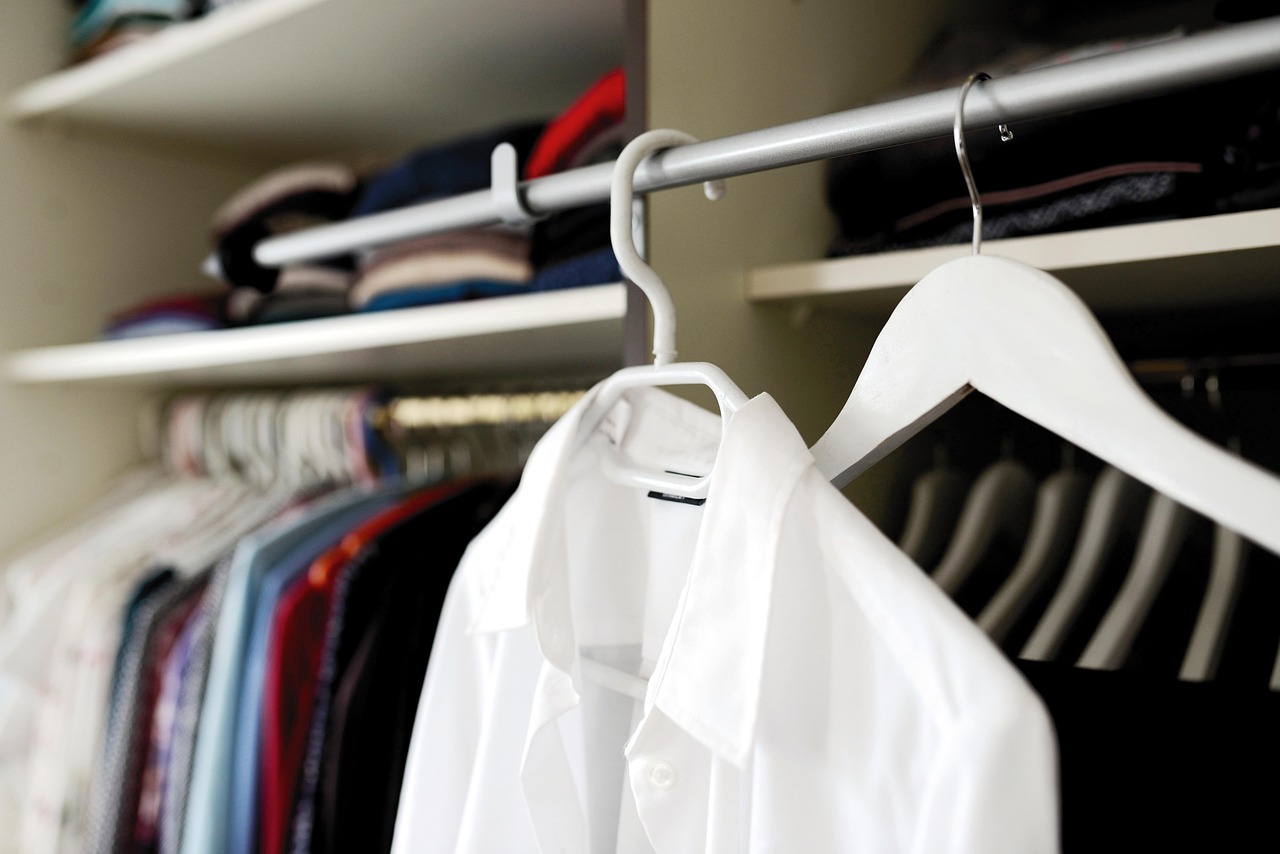
Open your closet on a random Tuesday morning. Do you see dozens of items hanging tightly together yet feel like you have nothing to wear? This frustrating daily dilemma wastes time and drains your mental energy before your day even begins.
Understanding what is a capsule wardrobe can completely transform how you approach your daily routine. By intentionally curating a smaller collection of versatile clothing items, you reclaim your mornings and rediscover the joy of effortless style. Instead of waking up and feeling instantly overwhelmed by chaotic choices, you open closet doors to a curated selection of reliable garments that work in harmony.
Understanding the Concept of a Capsule Wardrobe
At its core, a capsule wardrobe is a curated collection of purposeful clothing items that you truly love and wear on a regular basis. Instead of chasing micro-trends or hoarding seasonal garments that sit untouched for months, you focus on high-quality basics that mix and match seamlessly. British boutique owner Susie Faux popularized the term back in the nineteen-seventies, arguing that a foundation of well-tailored skirts, trousers, and coats could handle most social situations. For instance, a neutral trench coat paired with tailored trousers bridges the gap between casual errands and professional meetings effortlessly.
The modern version of this system usually limits your active closet to around thirty to forty pieces per season. This count excludes undergarments, workout gear, and formal evening wear. Every single item serves a clear purpose. If a sweater does not pair well with at least three bottoms currently in your rotation, it does not make the final cut. Think of each garment as a team player where versatility is the absolute top priority. When calculating your item count, remember that shoes and outerwear also count toward your total seasonal limit, which prevents shoe hoarding and ensures footwear matches your primary outfits.
How It Streamlines Daily Dressing
Decision fatigue is a real psychological phenomenon that occurs when we make too many choices in a short span of time. Choosing an outfit from a massive, disorganized closet drains cognitive bandwidth that you could spend elsewhere. When you know what is a capsule wardrobe in practice, morning routines become remarkably straightforward.
- Your clothing options are limited to items that already fit and flatter your current lifestyle and body shape.
- Every top works with almost every bottom, eliminating the stress of mismatched colors or conflicting styles.
- Accessories like classic sunglasses, simple belts, and minimalist jewelry do the heavy lifting to elevate basic outfits.
- Layering becomes intuitive since your cardigans, blazers, and jackets are chosen with coordinated color schemes in mind.
- Designated outfit formulas, such as jeans paired with a blazer and loafers, save you from staring blankly at hangers trying to reinvent the wheel every single day.
Getting dressed transforms from a stressful chore into a quick, intuitive process. You grab a top, pair it with trousers, add a jacket, and head out the door with total confidence. You no longer waste precious minutes trying on three different shirts only to revert to your safest fallback option.
Fighting Clothing Fatigue and Consumer Culture
Fast fashion encourages us to buy more while enjoying our purchases less. We acquire cheap tops for weekend events only to donate them after a single wash. This constant cycle of consumption leaves closets overflowing and minds exhausted. Embracing a minimalist clothing system shifts your mindset from quantity to quality.
When you stop buying disposable clothing, you notice what fabrics actually feel good against your skin, such as breathable linen for summer and insulating merino wool for winter. You appreciate durable stitching, timeless cuts, and classic silhouettes that withstand changing trends. Less clutter in your physical space directly translates to less mental clutter. You stop comparing your closet to online influencers and start dressing for your authentic self.
Building this streamlined collection also benefits your bank account. Instead of spending small amounts on frequent impulse buys, you invest in durable pieces that last for years. You might spend a bit more on a sturdy leather belt or a premium cotton trench coat, but the cost per wear drops dramatically over time. By focusing on longevity, you also reduce textile waste and lessen your overall environmental footprint.
Practical Steps to Build Your Own Collection
Transitioning to a minimalist closet does not require throwing away everything you own overnight. Take a methodical approach to ensure a smooth and sustainable change.
- Empty your entire closet onto your bed and sort every single piece into three distinct categories: keep, store for next season, and let go.
- Analyze your current lifestyle to determine your actual clothing needs based on your work environment, hobbies, and social habits, allocating more items to the category you wear most often.
- Select a cohesive color palette consisting of two or three neutral base colors like black, navy, or beige, paired with two accent colors that flatter your skin tone.
- Identify any missing gaps in your collection, such as a reliable pair of dark jeans or a crisp white button-down shirt, before shopping for new items.
- Test your new capsule for at least two weeks before parting ways with stored items permanently, ensuring you haven’t missed any essential garments.
Give yourself permission to experiment during the first few months. Your personal style evolves, and your seasonal choices will naturally adjust as you learn what you actually reach for on busy weekdays.
Frequently Asked Questions
How many items should be in a capsule wardrobe?
There is no strict rule, but most enthusiasts aim for thirty to forty pieces per season. The goal is functionality, not hitting an arbitrary number.
Can I have clothes of different colors?
Yes, color is encouraged. Sticking to a unified color palette simply ensures that mixing and matching different tops and bottoms remains effortless.
What happens if the weather changes unexpectedly?
Keep a small bin of off-season items stored away in your closet or under your bed. You can easily swap out a few sweaters for lightweight t-shirts when the temperature shifts.
A Simple Path Forward
Streamlining your wardrobe is ultimately about taking control of your time and your physical environment. By learning what is a capsule wardrobe and putting its principles into practice, you strip away unnecessary choices and focus on what truly matters. Start small, curate with intention, and enjoy the calm that comes with a simpler, more purposeful closet.