Streetwear used to belong exclusively to skateboarders and hip-hop artists. Today, it dominates global runways and city sidewalks alike. Understanding this shift helps you build a versatile wardrobe that balances comfort with a sharp visual edge.
You are about to learn how the streetwear aesthetic urban fashion movement evolved, how to master essential layering tricks, and how to spot genuine quality without getting scammed by hype. Let us break down the core elements that make this style tick. Whether you are stepping out for a casual coffee run or attending a high-energy urban art exhibition, mastering these foundational principles ensures your look remains authentic, practical, and visually arresting.
The Roots and Reality of Modern Streetwear
Modern streetwear grew from counterculture movements in New York and Tokyo during the late twentieth century. Skateboard brands printed simple graphic tees, while independent labels produced limited runs of hoodies and caps. Scarcity created desire, and hype culture was born as youth subcultures sought ways to visually differentiate themselves from mainstream fashion.
In New York, the aesthetic drew heavily from hip-hop culture, graffiti art, and the raw grit of the inner city, favoring oversized silhouettes that allowed for movement and self-expression. Meanwhile, Tokyo’s Harajuku district blended Americana vintage with futuristic techwear, creating an avant-garde subculture that prized meticulous detailing and rare imports. These two distinct geographical hubs collided digitally in the early 2000s, laying the groundwork for a truly borderless global movement.
Fast forward to the current decade, and luxury houses collaborate with skate brands regularly. This merger changed the entire fashion landscape, bringing hoodies and sneakers to high-end boutiques. However, genuine style is not about buying the most expensive items. It is about understanding proportions, silhouettes, and how garments interact with your daily life. True style tells a story about who you are, rather than simply displaying the corporate logo of the highest bidder.
Mastering the Art of Layering Trends
Layering forms the backbone of any solid streetwear outfit. Instead of throwing on a single heavy jacket, you combine textures and lengths to create visual depth. This approach works especially well during transitional seasons when the weather changes hourly and you need adaptability built directly into your daily wardrobe.
- Start with a fitted base layer, such as a heavyweight cotton t-shirt that extends slightly past your outer hoodie to create a deliberate color contrast.
- Add a mid-layer like an unbuttoned flannel shirt, a fleece zip-up, or a cropped denim vest to break up your silhouette and introduce structural complexity.
- Finish with an outer shell, such as an oversized trench coat, a leather bomber, or a technical windbreaker depending on the climate and your daily itinerary.
Varying your fabrics is just as important as varying your lengths. Pair rough denim with smooth nylon, or chunky knitwear with crisp cotton poplin. This contrast keeps your outfit from looking flat or overly coordinated. For instance, pairing a rugged canvas work jacket with a soft, brushed flannel shirt underneath immediately signals an eye for textural interplay. Do not be afraid to mix unexpected materials like corduroy with waterproof technical textiles; these tactile juxtapositions are precisely what elevate a standard outfit into a standout street-ready ensemble.
Understanding Hype Culture and Drop Models
Hype culture thrives on anticipation and limited availability. Brands release collections in small batches known as drops. Once an item sells out, buyers turn to secondary resale markets where prices can skyrocket based entirely on artificial scarcity and internet-driven demand.
Navigating this ecosystem requires a cool head. Many enthusiasts track global release calendars meticulously, setting alarms for digital drops or camping outside brick-and-mortar flagships for hours. While the thrill of the chase is undeniably addictive, buying solely for the sake of owning a hyped item often leads to buyer’s remorse. Furthermore, the prevalence of counterfeit goods on secondary platforms means you must educate yourself on authentication markers, stitching patterns, and official packaging details before handing over your hard-earned money to a reseller.
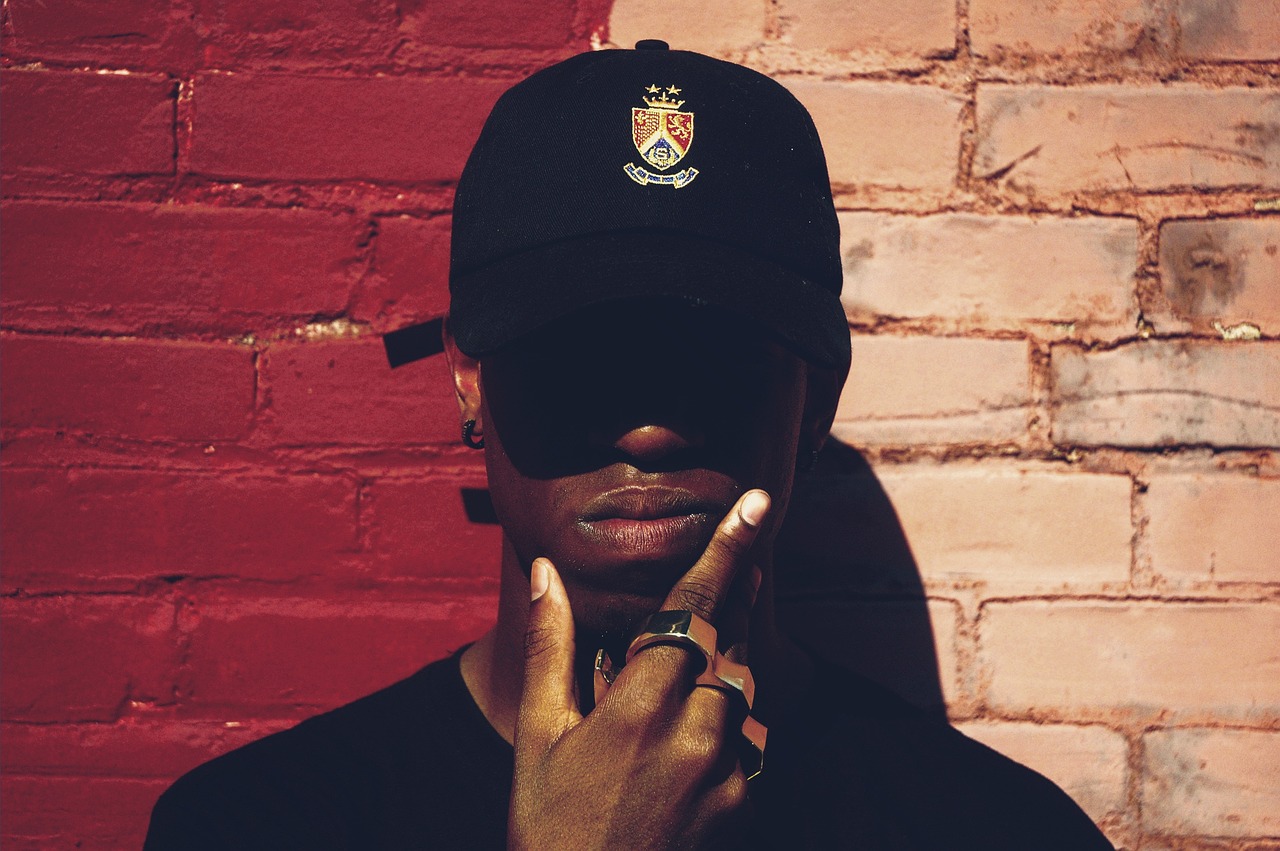
Participating in drops requires patience and quick reflexes, but chasing every trending item will drain your bank account. Smart dressers mix hyped accessories, like a signature cap or rare sneakers, with timeless basics from thrift stores or independent designers. Developing your own taste matters more than wearing logos from head to toe, and an outfit composed of well-fitted, lesser-known pieces will always outshine a disjointed assemblage of overpriced hype.
Footwear as the Anchor of Your Outfit
Shoes can make or break an urban outfit. Chunky skate shoes, vintage running sneakers, and rugged trail boots all have a rightful place in a streetwear rotation. Your footwear choice dictates the proportions of your pants, establishing the visual weight of your entire lower half.
- Wide-leg cargo pants and loose denim require bulky sneakers that prevent the hem from dragging on the ground and swallowing your feet.
- Slimmer trousers pair best with low-profile court shoes or minimalist runners for a balanced, streamlined look.
- Keep your footwear clean using specialized cleaning kits, soft-bristled brushes, and protective sprays to maintain that fresh-out-of-the-box appearance.
Investing in one or two versatile pairs of sneakers beats owning ten cheap pairs that fall apart after a month of heavy city walking. High-quality leather or durable mesh not only lasts longer but also develops a pleasing patina over time, telling the story of the miles you have walked through urban landscapes.
Common Mistakes to Avoid
Many beginners make the mistake of buying oversized clothes that simply do not fit their frame. Oversized dressing involves intentional tailoring and proportion, not just buying three sizes too big. If the shoulder seams of your jacket slump halfway down your biceps, or your trousers pool awkwardly around your ankles like a puddle, the look ceases to be intentional and simply looks sloppy. Another pitfall is ignoring comfort in pursuit of a specific aesthetic. Streetwear was built for movement, so if your clothes restrict you from walking or sitting comfortably, rethink the outfit.
Avoid wearing too many loud graphics at once. Let one statement piece do the heavy lifting while the rest of your outfit provides a clean backdrop. Balance is the ultimate secret to looking put together. If you are wearing a brightly colored, heavily patterned patchwork jacket, pair it with muted, solid-colored trousers and a simple white tee to let the statement piece shine without causing visual chaos.
Frequently Asked Questions
What defines the streetwear aesthetic?
It combines casual, comfortable clothing like hoodies, t-shirts, and sneakers with elements of workwear, skate culture, and high fashion, focusing heavily on individuality and personal expression.
How do I start building an urban wardrobe on a budget?
Focus on versatile basics like plain heavyweight tees, straight-leg denim, and a classic hoodie. Thrift stores are excellent places to find unique vintage outerwear and accessories without breaking the bank.
Are logos necessary for streetwear?
Not at all. While hype culture emphasizes branding, many modern enthusiasts prefer clean, logo-free garments that rely on superior cuts, fabrics, and construction.
Final Style Takeaway
Embracing the streetwear aesthetic urban fashion movement is less about following strict rules and more about curating pieces that reflect your lifestyle. Prioritize fit, experiment with thoughtful layering, and wear your clothes with confidence every time you step out the door.