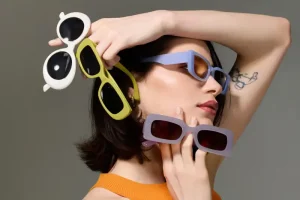

Oversized frames have become a defining feature of modern eyewear. They offer more than a way to improve vision. Their larger proportions can change the appearance of the face, strengthen an outfit, and communicate personal style. From bold acetate designs to lightweight metal silhouettes, oversized eyewear is available in many shapes, colors, and finishes. However, choosing the right pair requires more than following a fashion trend. Frame dimensions, facial proportions, material quality, and everyday comfort all influence the final result. A design that looks impressive in a product photograph may feel too heavy or unbalanced when worn. Understanding oversized frames styling helps consumers make more confident choices. It also makes it easier to build a versatile look that remains practical beyond one season.
Why Oversized Frames Continue to Attract Attention
Oversized eyewear has remained popular because it combines strong visual identity with functional design. Larger lenses create a noticeable presence around the eyes. This can make a simple outfit look more considered without requiring additional accessories. The frames can also introduce structure, contrast, or softness depending on their shape.
Fashion trends have influenced the popularity of oversized glasses for decades. Retro-inspired designs bring back rounded silhouettes, thick acetate, and dramatic square frames. Contemporary collections often reinterpret these shapes with transparent materials, slim metal details, and more balanced proportions. This variety allows oversized eyewear to work across different personal styles.
Another reason for its appeal is versatility. A bold frame can complement casual clothing, office outfits, and more polished looks. The key is choosing a design that fits the wearer’s features and wardrobe. Oversized frames should support personal expression rather than dominate every element of an appearance.
How Oversized Frames Influence Facial Proportions
Frame dimensions affect how facial features appear together. Larger lenses draw attention toward the eyes and upper face. Wide frames can make a narrow face appear broader, while taller lenses can add visual weight around the cheek and brow area. These effects are not necessarily positive or negative. They depend on the relationship between the frame and the wearer’s natural features.
Proportion is more important than size alone. A frame may be classified as oversized but still look balanced when its width, height, and bridge position suit the face. Problems arise when the frame extends too far beyond the temples, sits too low, or covers important facial features.
The bridge is another important consideration. A poorly positioned bridge can make glasses slide down or rest uncomfortably. The frame may also touch the cheeks when the wearer smiles. These small fitting issues become more noticeable with larger designs.
Eyebrow position should also guide selection. Some frames follow the natural browline, while others sit higher or create a stronger visual boundary. A well-chosen design should work with the brow rather than hide it completely. Trying different sizes in natural lighting can reveal how a frame changes facial balance from several angles.
Finding a Frame Shape That Complements Your Face
Face shape can provide a useful starting point when exploring oversized eyewear. However, it should not become a strict rule. Facial features vary, and many people have a combination of characteristics rather than one clearly defined shape.
Matching Frame Designs With Different Face Shapes
Round faces often benefit from oversized square or rectangular frames. Their sharper lines can introduce definition and create contrast with softer facial contours. Angular designs may also suit people with fuller cheeks, provided the lower frame does not press against the face.
Square faces have stronger jawlines and more defined angles. Rounded or oval oversized frames can soften these features. Slightly curved edges may create a more balanced appearance than extremely geometric designs.
Oval faces generally work with a wide range of frame shapes. Square, round, cat-eye, and geometric options can all be suitable. The main challenge is choosing dimensions that maintain natural facial proportions. Extremely wide frames may overwhelm smaller oval faces.
Heart-shaped faces often have a broader forehead and a narrower chin. Rounded frames, soft cat-eye designs, and shapes with balanced lower proportions can complement this structure. Diamond-shaped faces may work well with oval or softly curved frames that highlight the eyes without adding excessive width to the cheek area.
These suggestions are starting points, not fixed styling laws. Personal preference, hairstyle, brow shape, and frame fit should influence the final decision.
Balancing Frame Dimensions With Personal Features
Frame width is one of the first measurements to consider. The outer edges should generally align with the natural width of the face. Frames that extend too far beyond the temples may look unstable and feel difficult to wear.
Lens height also affects the overall appearance. Tall lenses create a stronger statement and may suit people who enjoy dramatic eyewear. Shorter oversized lenses can offer a more restrained effect. Bridge width should support the nose comfortably, while temple length should allow the frame to remain secure without creating pressure.
The best approach is to assess the entire design rather than focusing on one feature. A frame with wide lenses may still look balanced if its bridge and temples are proportionate. Trying several silhouettes helps identify which dimensions work naturally.
Exploring Materials That Define Oversized Eyewear
Material selection affects appearance, durability, flexibility, and comfort. Since oversized frames contain more visible material than smaller designs, their construction deserves particular attention.
Acetate is a common choice for statement eyewear. It is available in many colors, patterns, and thicknesses. Thick acetate creates a bold appearance, while transparent and translucent versions offer a softer effect. It can also be adjusted by an eyewear professional, depending on the frame construction. However, heavy acetate designs may place additional pressure on the nose and ears.
Metal frames offer another direction. Stainless steel and other lightweight metal constructions can create a cleaner, more understated appearance. They are often suitable for people who want oversized proportions without a thick visual outline. Adjustable nose pads can also improve fit.
Titanium is valued for its low weight, strength, and resistance to corrosion. It can be a useful option for larger frames because reducing weight helps improve comfort during extended wear. Its cost may be higher than that of basic frame materials, so buyers should consider their budget and long-term requirements.
Mixed-material frames combine elements such as acetate fronts and metal temples. These designs can balance visual impact with a lighter structure. The quality of the hinges and connections is important because weak construction can reduce durability.
Material choice should reflect daily use. Someone who wears glasses for many hours may prioritize low weight and stable construction. A person buying occasional fashion eyewear may place greater emphasis on color, texture, and visual character.
Creating Outfits Around Statement Eyewear
Oversized frames can become the main visual feature of an outfit. This makes coordination important. The goal is not to match every clothing item to the glasses. It is to create a balanced appearance where the frame feels intentional.
For casual outfits, oversized eyewear can work with simple shirts, denim, knitwear, and relaxed tailoring. A black or tortoiseshell frame can add structure to neutral clothing. Transparent frames can create a lighter appearance when the outfit already includes strong colors or patterns.
Office styling often benefits from controlled contrast. Dark square frames can complement structured jackets and clean silhouettes. Slim metal designs may suit more minimal professional clothing. People working in formal environments can choose understated colors while still enjoying the distinctive proportions of oversized eyewear.
Streetwear offers more room for experimentation. Bold colors, geometric shapes, and thick frames can work with layered clothing and relaxed silhouettes. The important point is to avoid unnecessary competition between accessories. If the glasses are visually strong, simpler jewelry and other accessories can help maintain balance.
For formal occasions, frame shape and finish matter. Glossy black, deep brown, or subtle metallic details can look polished. A carefully selected oversized frame can add personality without making the outfit feel crowded.
Hairstyle also influences the final effect. Pulled-back hair may highlight the shape of the glasses, while loose hairstyles can soften their appearance. The best combination depends on personal preference and the overall outfit.
Color, Texture, and Decorative Details in Modern Frame Design
Frame color can change the personality of oversized eyewear. Black remains a versatile choice because it creates strong definition and works with many wardrobe colors. Tortoiseshell offers warmth and visual variation. Its combination of brown, amber, and darker tones can feel distinctive without being overly bright.
Transparent frames provide a contemporary alternative. Clear, pale gray, and subtle beige designs create less visual weight around the eyes. They can suit people who want oversized proportions without a strong color contrast.
Bright colors introduce a more expressive approach. Red, green, blue, and other vivid shades can turn eyewear into a statement accessory. These options may work best when the rest of the outfit uses a controlled color palette.
Texture adds another dimension. Glossy acetate creates a polished finish, while matte surfaces offer a quieter appearance. Patterned materials can introduce depth, but very detailed designs may become less versatile. Metallic accents, decorative hinges, and contrasting temple colors can also influence the overall look.
A practical strategy is to consider wardrobe compatibility before choosing a bold frame. Buyers who wear mostly neutral clothing may enjoy a distinctive color. Those with colorful wardrobes may prefer a frame that connects several existing shades without competing with them.
Practical Comfort and Fit Beyond Visual Impact
A stylish frame has limited value if it becomes uncomfortable after an hour. Oversized designs can place more weight on the nose and ears, particularly when they use thick materials or large prescription lenses. Fit should therefore be evaluated as carefully as appearance.
Managing Weight and Pressure During Extended Wear
The frame should sit securely without creating painful pressure. Nose pads should distribute weight evenly, while the temples should rest comfortably along the sides of the head. If the glasses slide down frequently, the bridge or temple fit may need adjustment.
Lightweight materials can reduce pressure, but construction also matters. A well-balanced acetate frame may feel more comfortable than a poorly designed lightweight metal pair. Weight distribution should be considered alongside the total weight.
Professional adjustments can improve comfort. An optician may be able to adjust the nose pads, temple angle, or frame alignment. Users should avoid forcing or bending delicate frames themselves because this can damage hinges or change the structure.
Choosing Lenses for Everyday Requirements
Lens selection depends on how the glasses will be used. Prescription lenses must match the wearer’s visual requirements and the frame’s dimensions. Large lenses can sometimes increase thickness or weight, especially with stronger prescriptions. High-index lens materials may help reduce thickness, depending on the prescription and frame design.
Blue-light filtering lenses are marketed for digital use, while photochromic lenses adjust their tint in response to ultraviolet exposure. Sunglass lenses provide protection from bright outdoor conditions. These features serve different purposes and should not be treated as interchangeable.
For sunglasses, check that the lenses provide appropriate UVA and UVB protection. Lens darkness alone does not confirm ultraviolet protection. For prescription eyewear, an optician can help determine whether the chosen frame supports the required lens design.
Oversized Frames Across Fashion Eras and Trends
Oversized eyewear continues to return in different forms because designers can reinterpret its proportions without abandoning its basic appeal. Earlier fashion eras popularized dramatic frames with thick rims and large lenses. Later styles introduced softer shapes, transparent materials, and more minimal details.
Retro-inspired eyewear remains influential. Rounded frames, square silhouettes, and exaggerated cat-eye designs draw from earlier decades while using modern materials and updated construction. Contemporary collections often combine these references with lighter frames and more subtle finishes.
Social media, celebrity styling, and fashion campaigns also influence which shapes become popular. However, a design that attracts attention online may not suit every face or daily routine. Trend awareness is useful, but it should not replace practical evaluation.
A more sustainable approach is to choose a frame with lasting appeal. Classic colors, durable materials, and comfortable dimensions can remain useful after seasonal trends change. Personal style should guide the purchase more than temporary popularity.
Shopping Strategically: Quality Checks Before Buying
Buying oversized eyewear requires attention to construction as well as design. Check the hinges, screws, frame alignment, and finish. The arms should open and close smoothly without feeling loose. The frame should sit evenly on the face rather than tilting to one side.
Try the glasses on while using your normal hairstyle and, where possible, with clothing similar to what you wear regularly. Look at the frame from the front and side. Smile and move your head to check whether the lenses touch your cheeks or the glasses slide out of position.
For prescription eyewear, professional fitting is especially valuable. The optical center and lens positioning need to match the wearer’s requirements. A frame that looks attractive but cannot support the necessary lens configuration may not be a practical choice.
Consider repairability and replacement options. Quality hinges, accessible adjustments, and durable materials can make a frame more useful over time. A slightly higher initial cost may be worthwhile if the glasses offer better comfort and construction.
Avoid choosing a pair only because it is currently popular. A successful purchase should fit your face, work with your wardrobe, and remain comfortable throughout normal daily activities.
Conclusion
Oversized frames offer a distinctive way to combine fashion, function, and individual expression. Their impact depends on more than lens size. Facial proportions, frame shape, material, color, and fit all influence how they look and feel. Acetate can create a bold statement, while metal and titanium offer lighter alternatives. Thoughtful outfit coordination helps the frames become part of a balanced personal style.
The most effective oversized frames styling approach begins with practical needs. Choose dimensions that complement your features, materials that support comfortable wear, and colors that work with your wardrobe. Check construction carefully and seek professional adjustments when necessary. Instead of following every new trend, invest in eyewear that reflects your personality and remains useful beyond a single fashion season.